
Insomnia and Sleep Disorders: Causes, Symptoms, Treatments, and Ways to Improve Sleep
Insomnia and Sleep Disorders: Causes, Symptoms, Treatments, and Ways to Improve Sleep
Understanding Insomnia: Why You Can’t Sleep and What You Can Do
A good night’s sleep is essential for physical health, mental clarity, emotional balance, and overall well-being. However, millions of people struggle with sleep problems every year. Among the most common sleep disorders is insomnia, a condition that can make it difficult to fall asleep, stay asleep, or wake up feeling refreshed.
Poor sleep does more than cause daytime tiredness. Long-term sleep problems can affect concentration, mood, energy levels, immune function, and quality of life.
In this guide, we explore:
- What insomnia is
- Common symptoms and causes
- Short-term vs. chronic insomnia
- Lifestyle changes that support better sleep
- Behavioral therapies
- Sleep medications and safety considerations
- Other common sleep disorders, including sleep apnea
For more health education resources, visit:
CareCraft Meds Now – Health Information Center
What Is Insomnia?
Insomnia is the most common sleep disorder and refers to difficulty getting enough quality sleep or maintaining uninterrupted sleep.
People experiencing insomnia may have trouble:
- Falling asleep at bedtime
- Staying asleep throughout the night
- Returning to sleep after waking
- Waking too early and feeling unrefreshed
Common symptoms of insomnia include:
- Difficulty falling asleep
- Frequent nighttime awakenings
- Waking early without feeling rested
- Daytime fatigue
- Irritability or anxiety
- Trouble concentrating
- Reduced energy and productivity
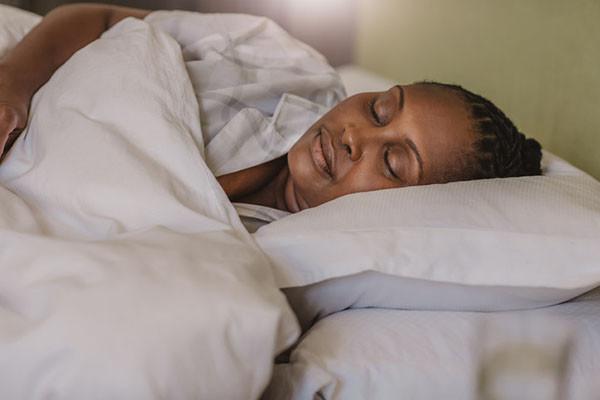
Insomnia can occur occasionally during stressful periods or become a long-term condition requiring professional evaluation.
Short-Term vs. Chronic Insomnia
Short-Term Insomnia
Short-term insomnia often develops because of temporary changes or stressful events.
Common triggers include:
- Stress or anxiety
- Travel or changes in environment
- Sleeping in unfamiliar places
- Noise or uncomfortable room temperatures
- An uncomfortable mattress
- Disrupted sleep schedules
- Excessive caffeine intake
- Alcohol consumption before bedtime
- Smoking
- Lack of physical activity
- Exercising too close to bedtime
- Heavy meals before sleeping
These sleep difficulties often improve when the underlying cause is addressed.
Chronic Insomnia
Insomnia becomes chronic when it occurs:
- At least three nights per week
- For three months or longer
Long-term insomnia may be linked to underlying health conditions, including:
- Depression
- Anxiety disorders
- Post-traumatic stress disorder (PTSD)
- Chronic pain conditions
- Arthritis
- Fibromyalgia
- Acid reflux
- Kidney disease
- Heart conditions
- Asthma
- Hormonal changes
- Restless legs syndrome
- Sleep apnea
Identifying and treating the underlying cause is an important part of improving sleep quality.
Why Pregnancy Can Affect Sleep
Many pregnant individuals experience insomnia due to physical and hormonal changes.
Common reasons include:
- Hormonal fluctuations
- Heartburn
- Leg cramps
- Frequent urination
- Restless legs symptoms
- Difficulty finding a comfortable sleeping position as the baby grows
Maintaining good sleep habits and discussing persistent sleep problems with a healthcare professional can help manage these challenges.
How to Improve Sleep Naturally: Healthy Sleep Habits
Improving daily habits is often the first step toward better sleep.
1. Maintain a Consistent Sleep Schedule
Try to:
- Go to bed at the same time each night
- Wake up at the same time every morning
- Avoid large variations between weekday and weekend schedules
A regular routine helps regulate the body’s internal clock.
2. Create a Comfortable Sleep Environment
Your bedroom should be:
- Quiet
- Dark
- Comfortable
- Cool enough for restful sleep
Helpful changes may include:
- Using blackout curtains
- Reducing electronic distractions
- Using relaxing background sounds if needed
- Choosing comfortable bedding
3. Limit Caffeine and Alcohol
Caffeine can remain active in the body for many hours and may interfere with sleep.
alcohol, nicotine, caffeinel may make some people feel sleepy initially but can disrupt normal sleep cycles and reduce sleep quality.
4. Exercise Regularly
Regular physical activity can improve sleep quality. However, intense exercise immediately before bedtime may make it harder for some people to fall asleep.
5. Avoid Heavy Meals Before Bed
Eating large meals close to bedtime may contribute to discomfort, acid reflux, and difficulty sleeping.
Cognitive Behavioral Therapy for Insomnia (CBT-I)
Cognitive Behavioral Therapy for Insomnia (CBT-I) is considered a first-line treatment approach for many people with chronic insomnia.
CBT-I focuses on changing thoughts and behaviors that interfere with sleep.
Common techniques include:
Relaxation Training
Methods may include:
- Breathing exercises
- Muscle relaxation
- Mindfulness techniques
Sleep Restriction Therapy
This approach limits time spent awake in bed to strengthen the body’s natural sleep drive.
Stimulus Control Therapy
This teaches the brain to associate the bed primarily with sleep by:
- Going to bed only when sleepy
- Avoiding long periods awake in bed
- Maintaining consistent sleep routines
CBT-I can be provided by trained sleep professionals and is also available through some digital programs.
Medications for Insomnia: Understanding the Options
In some situations, healthcare providers may consider medication as part of a treatment plan.
Prescription sleep medications may include different classes that work by affecting brain activity related to sleep and wakefulness. Visit our website to learn more carecraftmedsnow.net
Important considerations include:
- Using the lowest effective dose
- Using medications only as directed
- Understanding possible side effects
- Discussing risks and benefits with a healthcare professional
Some sleep medications may cause dependence or tolerance, which is why medical guidance is important.
Over-the-counter sleep products may also have limitations and may not be suitable for everyone, especially older adults or people with certain medical conditions.
What Is Sleep Apnea?
Sleep apnea is another common sleep disorder that causes repeated interruptions in breathing during sleep.
These breathing pauses are called apneas and may occur many times throughout the night.
Common symptoms include:
- Loud snoring
- Daytime sleepiness
- Morning headaches
- Dry mouth after waking
- Frequent nighttime urination
- Difficulty staying alert during the day
Untreated sleep apnea may increase the risk of health problems, including high blood pressure and cardiovascular complications.
Types of Sleep Apnea
Obstructive Sleep Apnea
This is the most common type.
It occurs when tissues in the throat relax and partially or completely block the airway during sleep.
Risk factors may include:
- Excess body weight
- Enlarged tonsils
- Airway structure
- Age-related changes
Central Sleep Apnea
Central sleep apnea occurs when the brain temporarily fails to send proper signals to breathing muscles.
It may be associated with:
- Certain heart conditions
- Neurological disorders
- Certain medications
- High altitude exposure
How Is Sleep Apnea Treated?
Treatment depends on the type and severity.
Common approaches include:
CPAP Therapy
A Continuous Positive Airway Pressure (CPAP) machine uses gentle air pressure to help keep the airway open during sleep.
Lifestyle Changes
For some people, improvements may come from:
- Weight management
- Sleeping position adjustments
- Reducing alcohol use
- Treating related health conditions
Dental Devices
Some people benefit from specially fitted oral devices that help keep the airway open.
Medical Procedures
In selected cases, surgery or implanted devices may be considered.
Other Common Sleep Disorders
Restless Legs Syndrome (RLS)
RLS causes uncomfortable sensations in the legs and an urge to move them, especially during rest or at night.
Symptoms may include:
- Tingling sensations
- Crawling feelings
- Difficulty falling asleep
Periodic Limb Movement Disorder (PLMD)
PLMD causes repeated involuntary movements of the arms or legs during sleep, which may interrupt normal rest.
Parasomnias
Parasomnias involve unusual behaviors during sleep, such as:
- Sleepwalking
- Sleep eating
- Confused behaviors during partial awakening
Narcolepsy
Narcolepsy affects the sleep-wake cycle and may cause:
- Extreme daytime sleepiness
- Sudden sleep episodes
- Difficulty staying awake
When Should You Seek Help for Sleep Problems?
Consider speaking with a healthcare professional if:
- Sleep problems continue for several weeks
- Insomnia affects daily activities
- You experience loud snoring or breathing interruptions
- You feel excessively sleepy during the day
- Sleep problems are affecting your mood or concentration
Final Thoughts
Healthy sleep is a foundation of good physical and mental health. While occasional sleepless nights are common, persistent insomnia or other sleep disorders may require attention.
Understanding the causes of sleep problems, improving daily habits, and seeking appropriate medical guidance can help many people achieve better sleep quality.
For more health education articles and wellness information, visit: